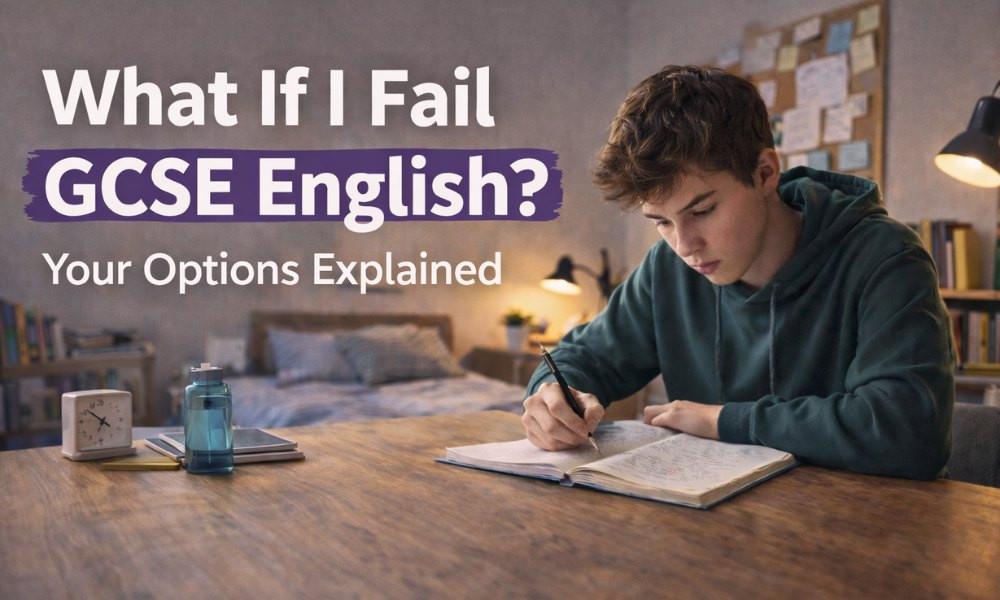
Failing GCSE English can feel like everything has gone wrong.
You check your results, see a grade below 4, and immediately start thinking about what this means for your future. It’s normal to feel disappointed or even worried at this stage. Many students assume this one result will block their progress.
But that assumption is not true.
Every year, thousands of students across the UK find themselves in the same situation. And the majority of them go on to improve their grades, continue their studies, and achieve their long-term goals.
The important thing to understand is this: failing GCSE English is not the end — it’s simply a point where you need to adjust your plan.
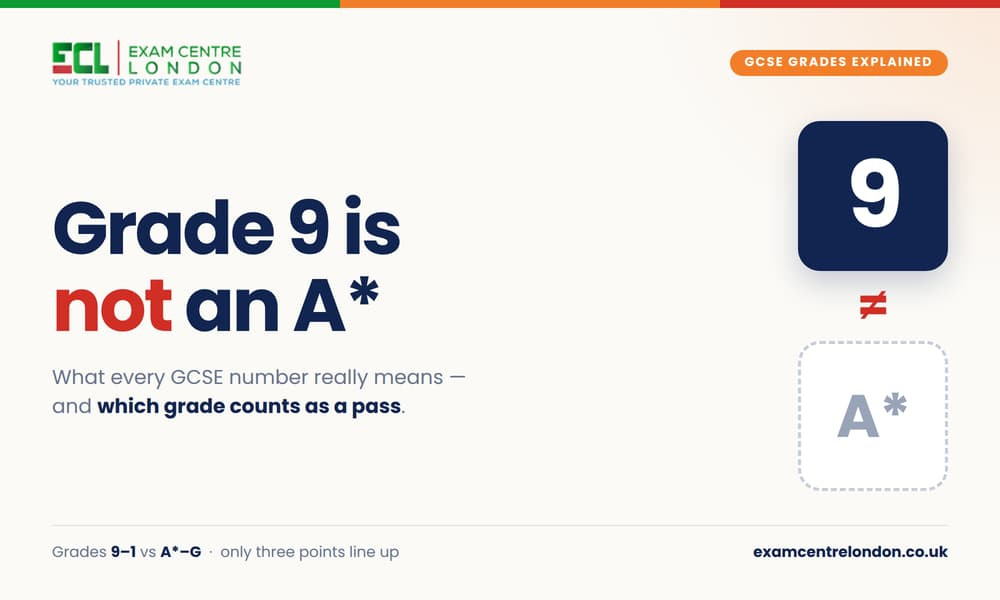
In the current GCSE grading system, a grade 4 is considered a standard pass.
If you receive a grade 3 or below, it is treated as not meeting the expected level for progression. This matters because English is a core subject that most colleges, universities, and employers require.
However, this does not mean you are stuck or out of options. It simply means you will need to improve your grade through the next available opportunity.
One of the biggest misconceptions is that everything stops after failing GCSE English.
In reality, your education continues.
Most students are still able to move forward into college or sixth form, especially if they have passed their other subjects. In many cases, you will begin your chosen course while also continuing to study English alongside it.
Colleges are very familiar with this situation, and they often have systems in place to support students who need to improve their English grade.
So while your path may look slightly different, it is still moving forward.
In most cases, yes.
If you are under 18 and did not achieve a grade 4, you are expected to continue studying English and take the exam again. This is because English is considered essential for further education and employment.
Retaking GCSE English is extremely common. Many students do not pass on their first attempt but improve significantly when they sit the exam again with better preparation and understanding.
Instead of seeing a resit as a setback, it is better to see it as a second opportunity to improve.
You normally have two main options.
The first is the November resit, which is available for GCSE English Language. This allows you to improve your grade relatively quickly after your initial result.
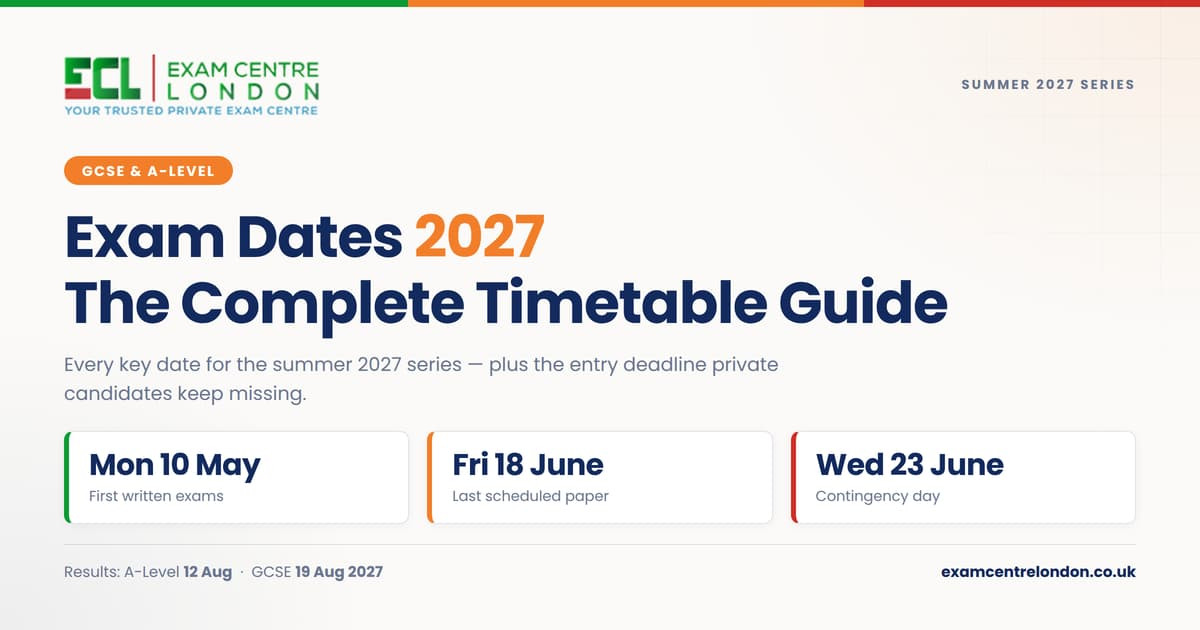
The second option is to retake the exam in the next summer exam series. This gives you more time to prepare and strengthen your skills.
Choosing between these depends on how confident you feel. Some students prefer to take advantage of the shorter gap, while others benefit from a longer preparation period.
Yes, and this is an important point to understand clearly.
Failing GCSE English does not automatically prevent you from continuing your education. Many colleges accept students who have not yet achieved a pass, as long as they are willing to retake the subject.
In practice, this means you can start your chosen course while also working towards improving your English grade at the same time.
Your options may depend on your overall results and the course requirements, but failing one subject rarely closes all doors.
While most students choose to resit GCSE English, there are other pathways available depending on your situation.
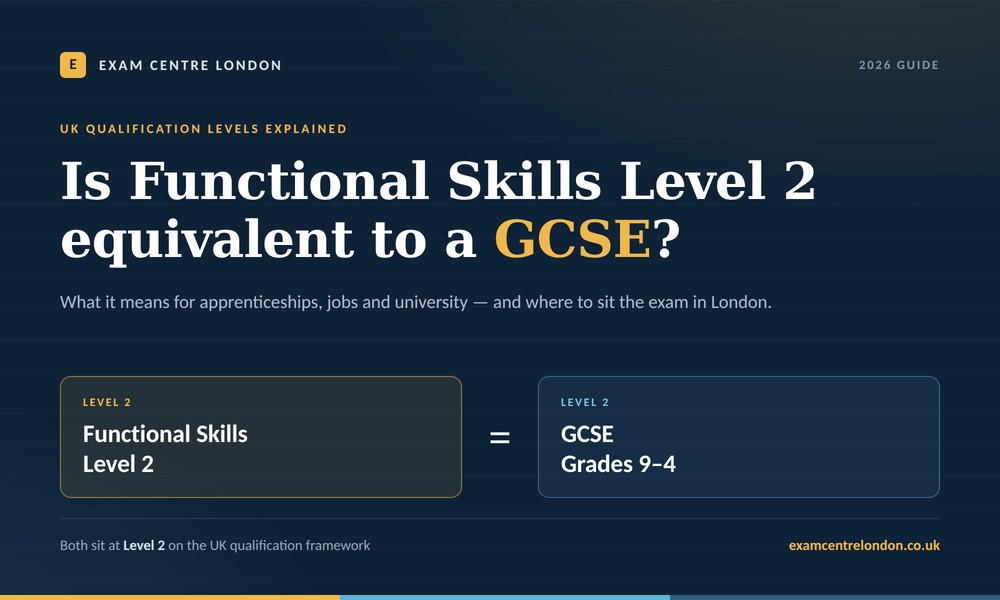
Some students take Functional Skills English, which focuses on practical communication skills. Others continue with vocational courses or apprenticeships while improving their English gradually.
The key is to choose a route that aligns with your goals rather than rushing into something without a clear plan.
There is a strong reason why many students perform better the second time.
The first attempt often involves learning both the subject and the exam system at the same time. By the time you retake the exam, you already understand how questions work, what examiners expect, and where you went wrong.
This experience gives you an advantage.
With a more focused approach, better exam technique, and targeted practice, your chances of improving your grade increase significantly.
Improving your GCSE English result is not about doing more — it is about doing the right things.
The biggest improvements usually come from understanding how the exam works. This includes knowing how to structure answers, how to analyse texts effectively, and how to manage your time during the exam.
Regular practice with exam-style questions is one of the most effective ways to build confidence. It allows you to apply your knowledge and identify weak areas that need attention.
If you need guidance with exam entry, resits, or support, you can explore your options here:
https://examcentrelondon.co.uk/contact
Getting the right support early can make your next attempt much more successful.
It’s important to recognise how failing can affect your confidence.
Many students feel embarrassed or discouraged, especially if they expected to pass. But this feeling is temporary. What matters is how you respond.
Failing an exam does not mean you are not capable. It simply means something didn’t go right in that specific attempt.
Once you shift your focus from the result to your next step, you regain control of the situation.
FAQ
Is failing GCSE English common?
Yes, many students do not pass on their first attempt and successfully improve later.
Do I have to retake GCSE English?
If you are under 18 and did not get a grade 4, you are usually required to continue studying and retake it.
Can I still go to college if I fail English?
Yes, most colleges allow you to study while working towards improving your English grade.
When can I resit GCSE English?
You can usually retake the exam in November or the next summer exam series.
Will this affect my future permanently?
No, you can improve your grade and continue your education without long-term impact.
Failing GCSE English may feel like a major setback, but in reality, it is just one stage in your journey.
You still have clear options, whether that’s resitting the exam, continuing your education, or choosing an alternative pathway. What matters most is taking action and moving forward with a plan.
If you take the right steps, improve your approach, and use the support available to you, there is every chance you will achieve a better result next time.
Because one exam result does not define your future — but what you do next absolutely does.
Practise with GCSE past papers
Book your GCSE exams as a private candidate
Recent Posts
Categories
Tags




 Updated 20-April-2026